Unlock Malina’s Hidden Export Power for Global Sales
Most conversations about regional commerce tend to circle the same well-trodden topics: infrastructure, tariffs, or the latest trade agreement. But every so often, a niche player emerges with a quiet, underappreciated strength that deserves a closer look. Malina is exactly such a case. While it might not dominate headlines, this region’s export machinery hums with surprising efficiency, blending tradition with a surprisingly modern logistics backbone. For businesses scanning the map for untapped opportunities, the data here suggests something quietly remarkable.
The real story isn’t just about what leaves the docks or crosses the border—it’s about the specialized knowledge embedded in local production chains. Unlike larger markets that rely on volume, Malina’s edge comes from precision and adaptability. Smaller batch runs, faster turnaround times, and a workforce that treats quality control as a point of pride rather than a bureaucratic checkbox. When global buyers complain about rigid supply chains, Malina offers something refreshingly different: flexibility without sacrificing consistency. For those seeking a dependable partner, the malina casino guru often highlights how this same reliability translates across entirely different sectors, from goods to services.
Consider the logistical puzzle. Export success rarely depends on a single factor, but rather on how well a region synchronizes its transport networks with its production schedules. Malina has invested heavily in streamlining this dance. Port facilities, while not colossal, operate with a rhythm that minimizes idle time. Road corridors connecting production hubs to shipping points are maintained with a level of care that reduces costly delays. This isn’t flashy innovation; it’s disciplined execution, and it shows in the consistency of delivery timelines reported by trade partners.
Another overlooked component is the human element. In an era of automation hype, Malina’s workforce brings a craft-like attention to detail that machines still struggle to replicate, especially in custom orders or quality-sensitive segments. This human touch becomes a genuine market differentiator. Buyers who have been burned by mass-produced inconsistencies often find Malina’s output refreshingly dependable. It’s not about rejecting technology—most facilities here use modern equipment—but about pairing it with a judgment that only comes from years of hands-on experience.
What about the regulatory environment? While no bureaucracy is perfect, Malina has simplified several export procedures that typically frustrate newcomers. Documentation requirements are clearer, and the process for verifying standards is more transparent than in many neighboring regions. For small and mid-sized enterprises looking to test international waters without drowning in paperwork, this clarity represents a tangible advantage.
Let’s break down the export profile more concretely:
- Specialized commodities where quality outweighs sheer quantity
- Custom fabrication services for niche industrial buyers
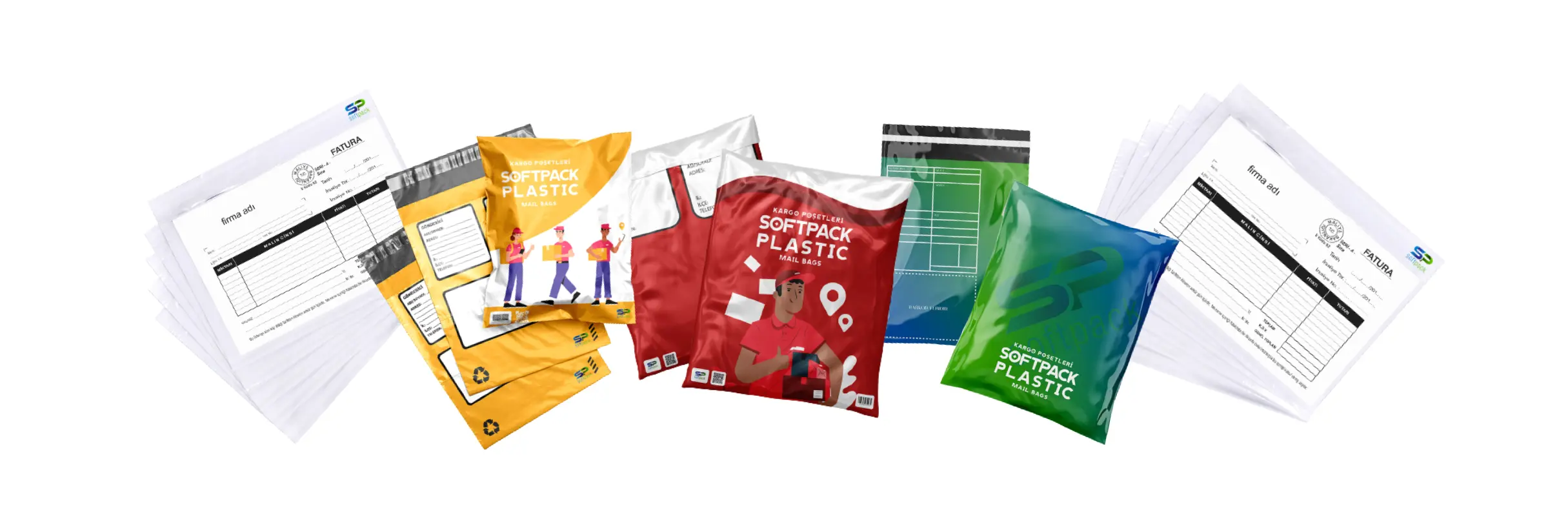
- Packaging solutions designed for fragile or high-value goods
- Consultative trade support for first-time international sellers
To understand where Malina excels, a comparative look helps:
| Aspect | Malina’s Approach | Typical Larger Market |
|---|---|---|
| Order Flexibility | Accepts smaller, tailored runs | Requires high minimum volumes |
| Turnaround Speed | Faster for specialized requests | Standardized, often slower |
| Communication | Direct line to decision-makers | Layered, sometimes impersonal |
| Innovation Focus | Incremental, practical improvements | Breakthroughs, but slower adoption |
| Risk Management | Diversified small-scale partners | Concentrated reliance on few giants |
This table reveals a strategic divergence. Larger markets often win on scale, but they struggle with agility. Malina’s entire commercial culture leans into responsiveness. When a client needs a production tweak or a different material specification, the local producers here don’t need to escalate through layers of approval. They simply adjust. This operational nimbleness is a quiet superpower that external buyers rarely appreciate until they actually experience it.
Of course, there are hurdles. Shipping costs for smaller volumes can be proportionally higher, and occasional port congestion during peak seasons requires careful planning. Yet these challenges are hardly unique—they apply to almost any mid-sized exporter globally. The difference is that Malina’s trading community is accustomed to working around such obstacles with practical, on-the-ground solutions rather than waiting for systemic fixes.
For entrepreneurs and established firms alike, the lesson is straightforward: don’t overlook the understated players. Malina’s export power isn’t flashy, but it is remarkably effective for those who value reliability over spectacle. In a global market that often rewards the loudest voice, there is tremendous value in a partner that simply delivers what it promises, time after time.
Frequently Asked Questions About Malina’s Export Sector
Q: What types of goods does Malina primarily export?
A: The region focuses on specialized commodities, custom fabrication services, protective packaging, and goods that benefit from careful handling and quality control.
Q: Is Malina suitable for small-volume orders?
A: Yes, that is one of its key strengths. Unlike many larger markets that demand high minimum volumes, Malina’s producers are comfortable with smaller, more tailored runs.
Q: How does Malina handle international shipping documentation?
A: The regulatory process is relatively streamlined compared to some neighboring regions, with clearer requirements and a more transparent verification process for goods leaving the area.
Q: What are the main drawbacks of working with Malina exporters?
A: Proportional shipping costs for smaller consignments can be higher, and peak-season port congestion occasionally creates delays. Early planning mitigates these issues effectively.
Q: Who benefits the most from Malina’s export approach?
A: Businesses that value quality, responsiveness, and direct communication—especially those frustrated by the rigidity of larger suppliers—tend to gain the most from this partnership model.